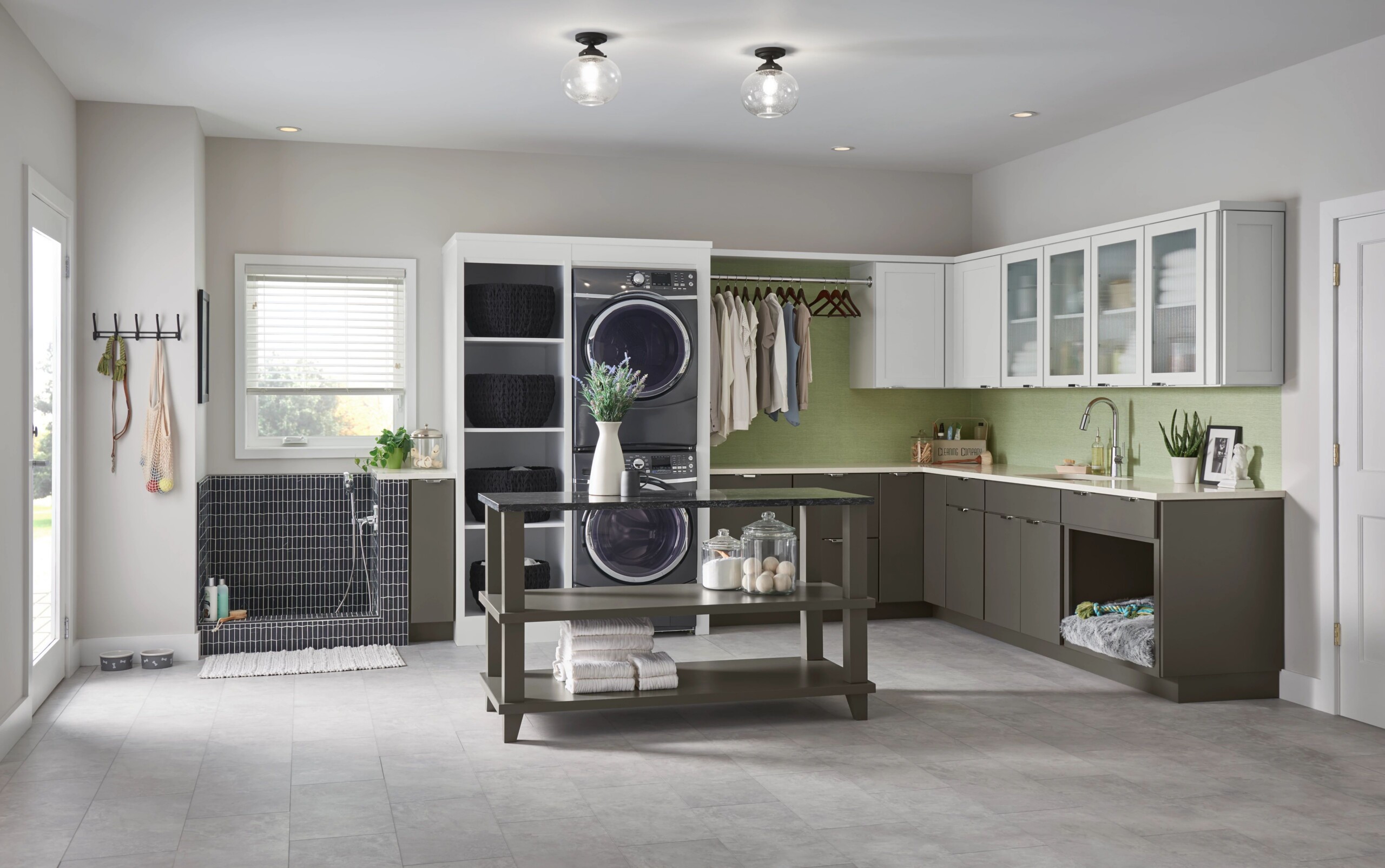
When you think about cabinetry, the kitchen probably comes to mind first. But great cabinet design can bring organization, storage and style to almost every room in your home.
Thoughtfully planned cabinetry gives everyday items a designated place, makes better use of vertical space and helps reduce visual clutter. Whether you are remodeling one room or designing a new home, cabinets for every room can make your space easier to use—and easier to enjoy.
Where could a little more storage make your life easier? Here are several ways multipurpose cabinetry can transform spaces throughout your home.
Why Consider Cabinets for Every Room?
Freestanding shelves and storage bins can solve an immediate problem, but cabinetry offers a more integrated approach. Cabinets can be planned around the room, the items you need to store and the way you move through the space each day.
With the right layout, cabinetry can help you:
- Use overlooked wall space
- Keep frequently used items within easy reach
- Hide supplies and household clutter behind closed doors
- Combine open display space with concealed storage
- Create a coordinated look from room to room
- Add specialized features that support your routines
The best results begin with a plan that balances function, storage needs and personal style.
Laundry Room Cabinets That Work Harder
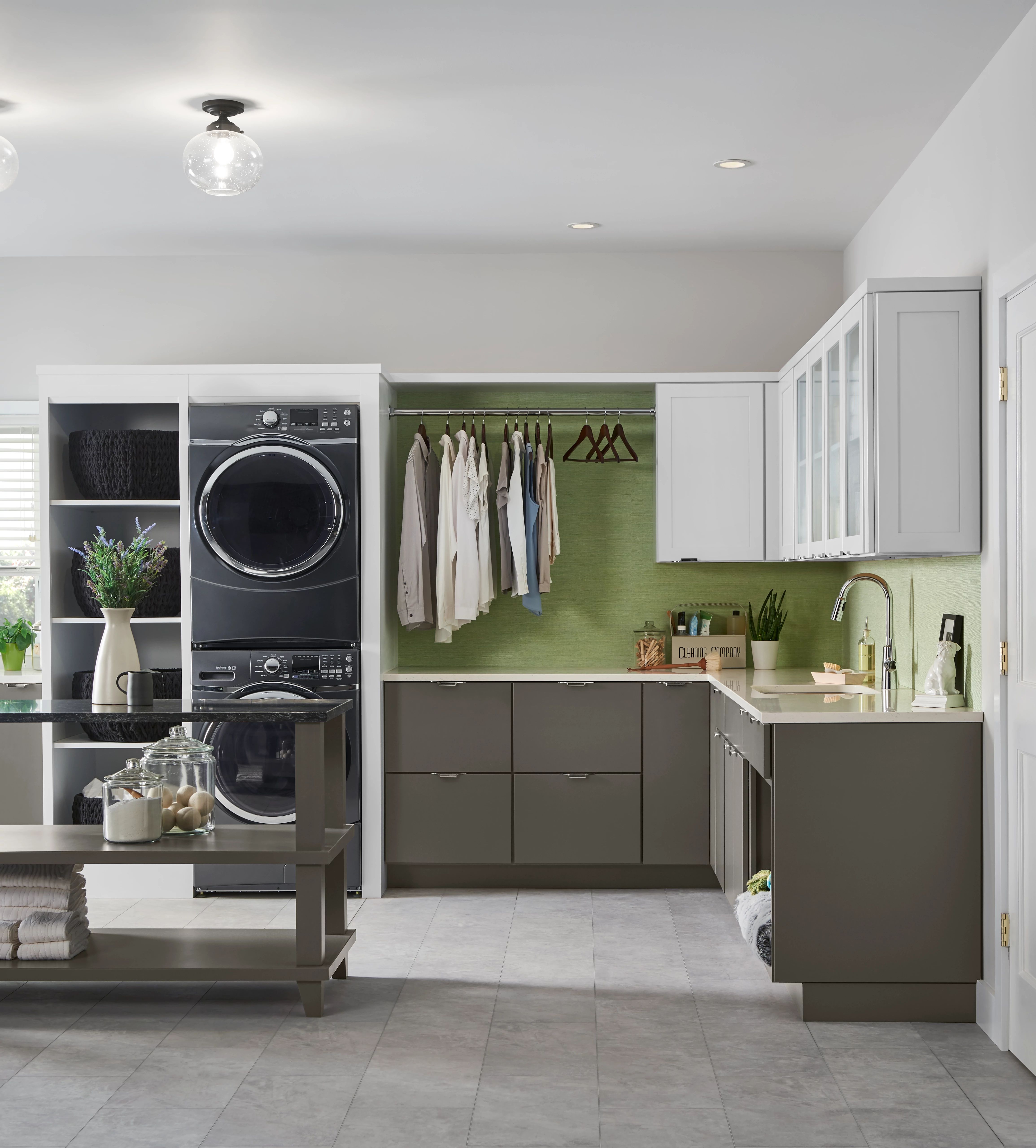
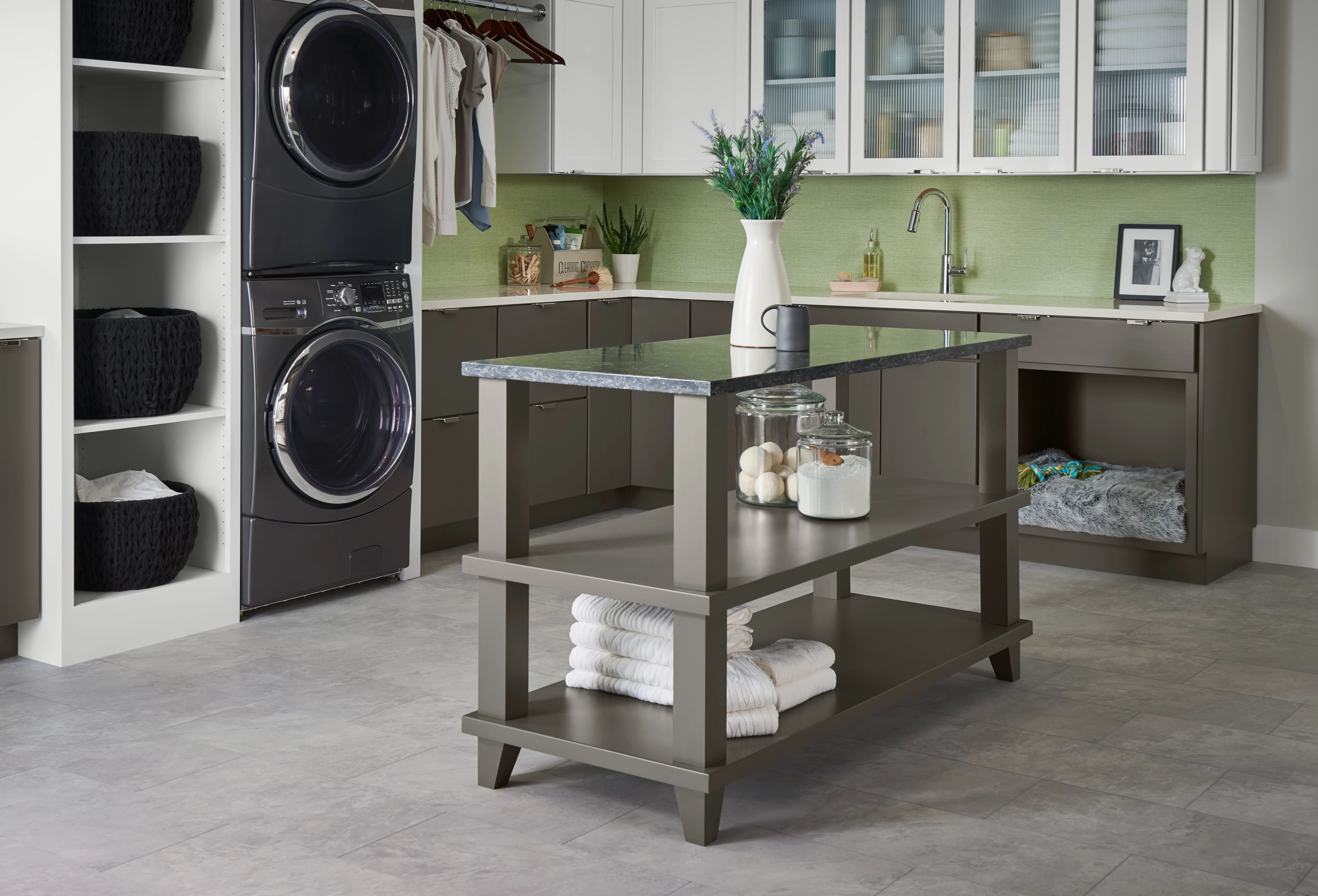
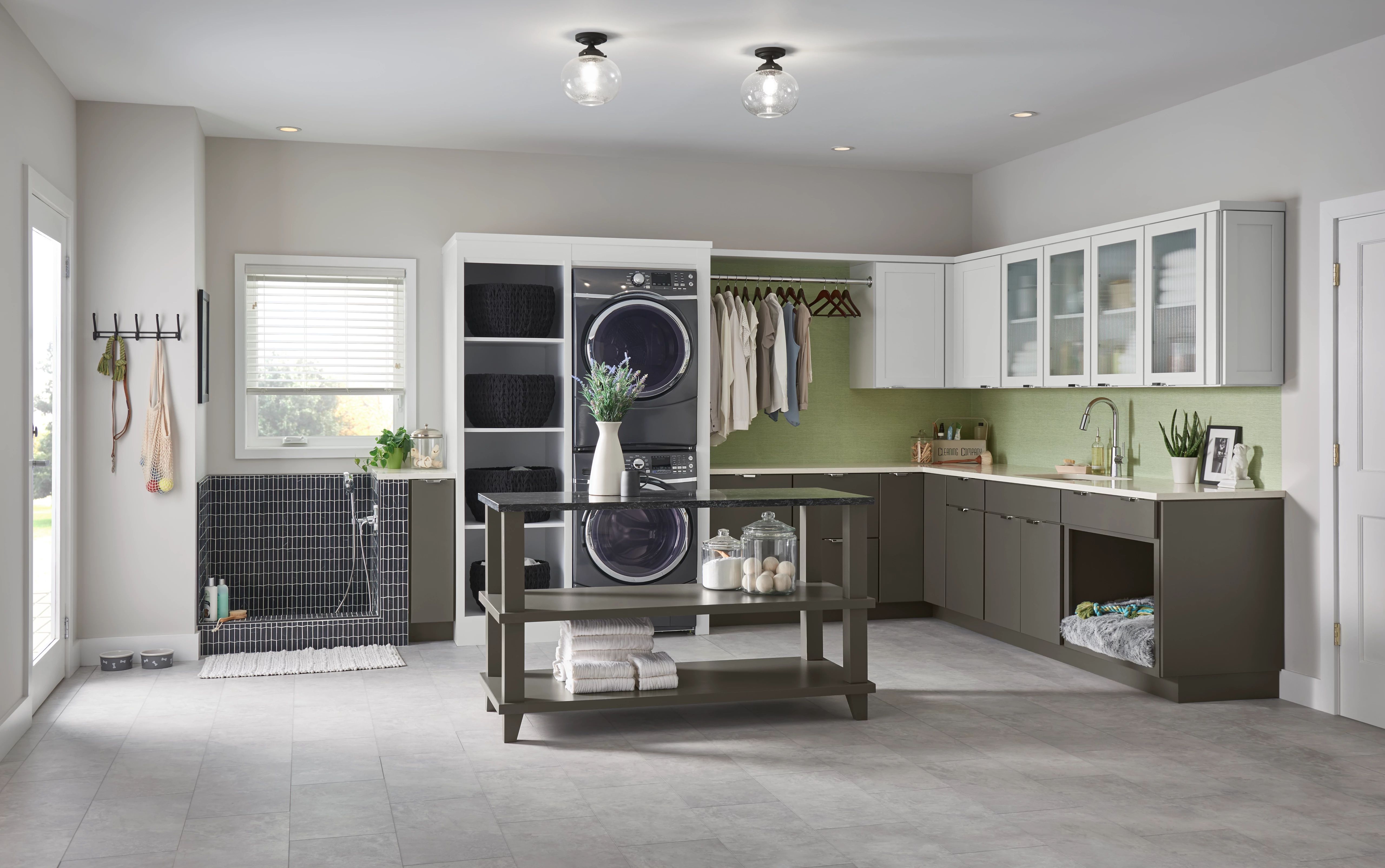
A well-designed laundry room can make household routines feel more manageable. Upper cabinets keep detergent, stain removers and cleaning products organized, while base or tall cabinets can provide space for baskets, linens, an ironing board, brooms or a vacuum.
Consider adding a countertop above a front-loading washer and dryer to create a convenient folding station. Depending on the room, your plan might also include a utility sink, pull-out hampers, a hanging rod or open shelving for frequently used items.
Mudroom Cabinets for a More Organized Entryway
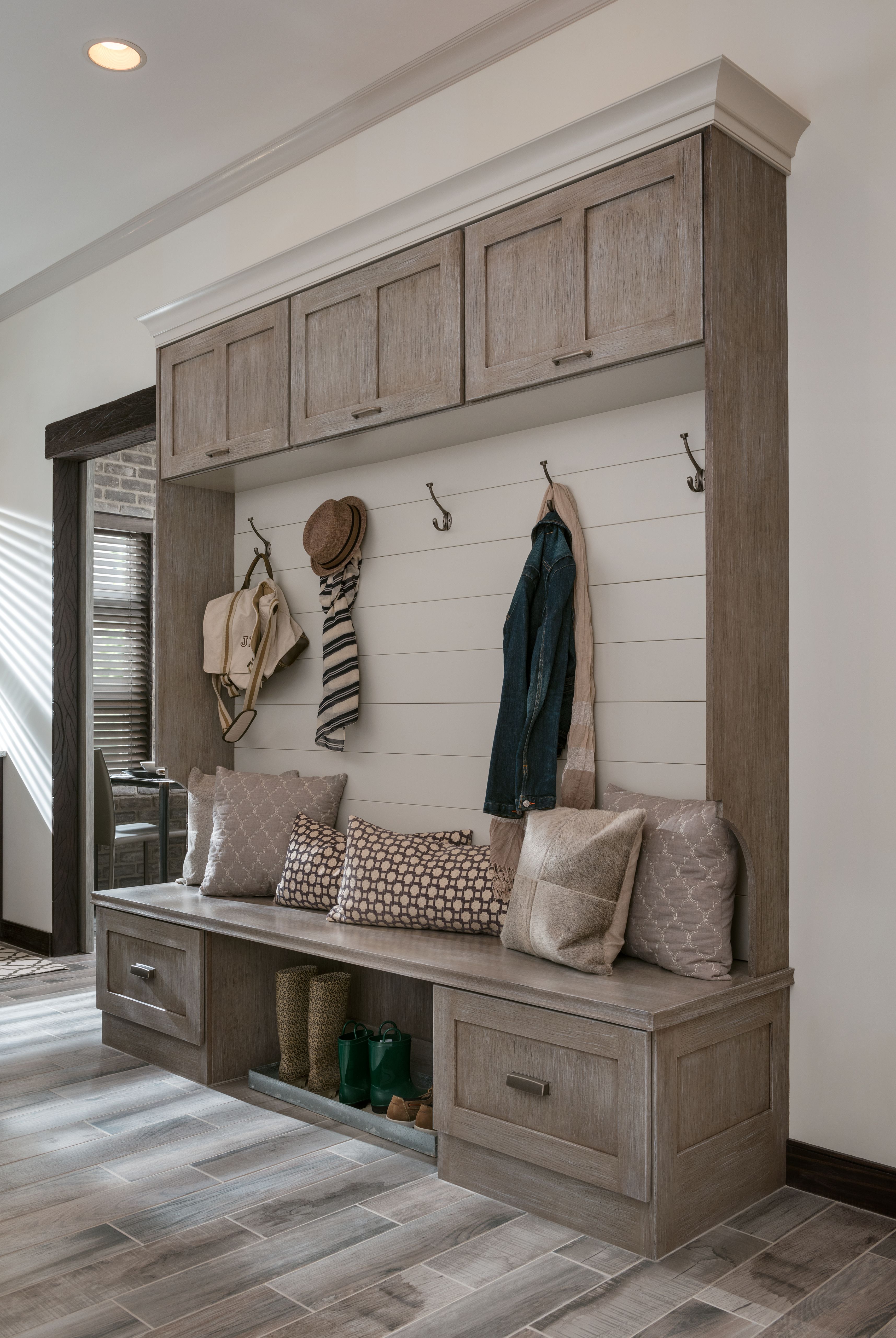
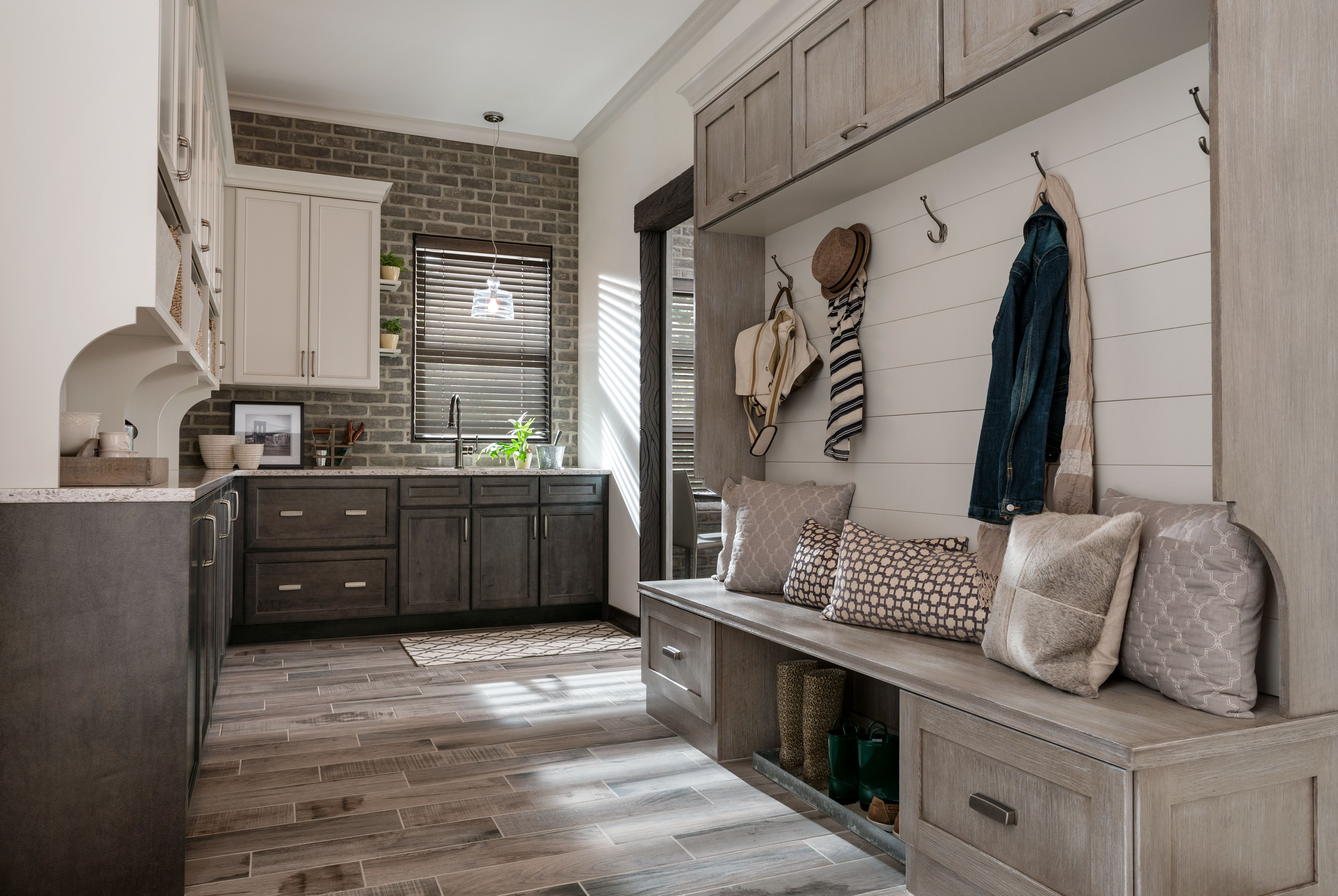
Mudrooms and entryways collect shoes, coats, backpacks, sports equipment and everyday essentials. A combination of cabinets, cubbies, drawers, hooks and benches gives those items a place to land before they spread throughout the house.
Closed upper cabinets can hold seasonal gear, while individual cubbies make daily items easy to grab. Drawers beneath a bench can store shoes, hats, gloves or pet supplies. You might even incorporate a charging drawer or mail station to keep devices, keys and paperwork organized near the door.
When cabinetry is designed around your household’s routines, the mudroom can become an efficient transition zone instead of a daily drop zone.
Bathroom Cabinets That Go Beyond the Vanity
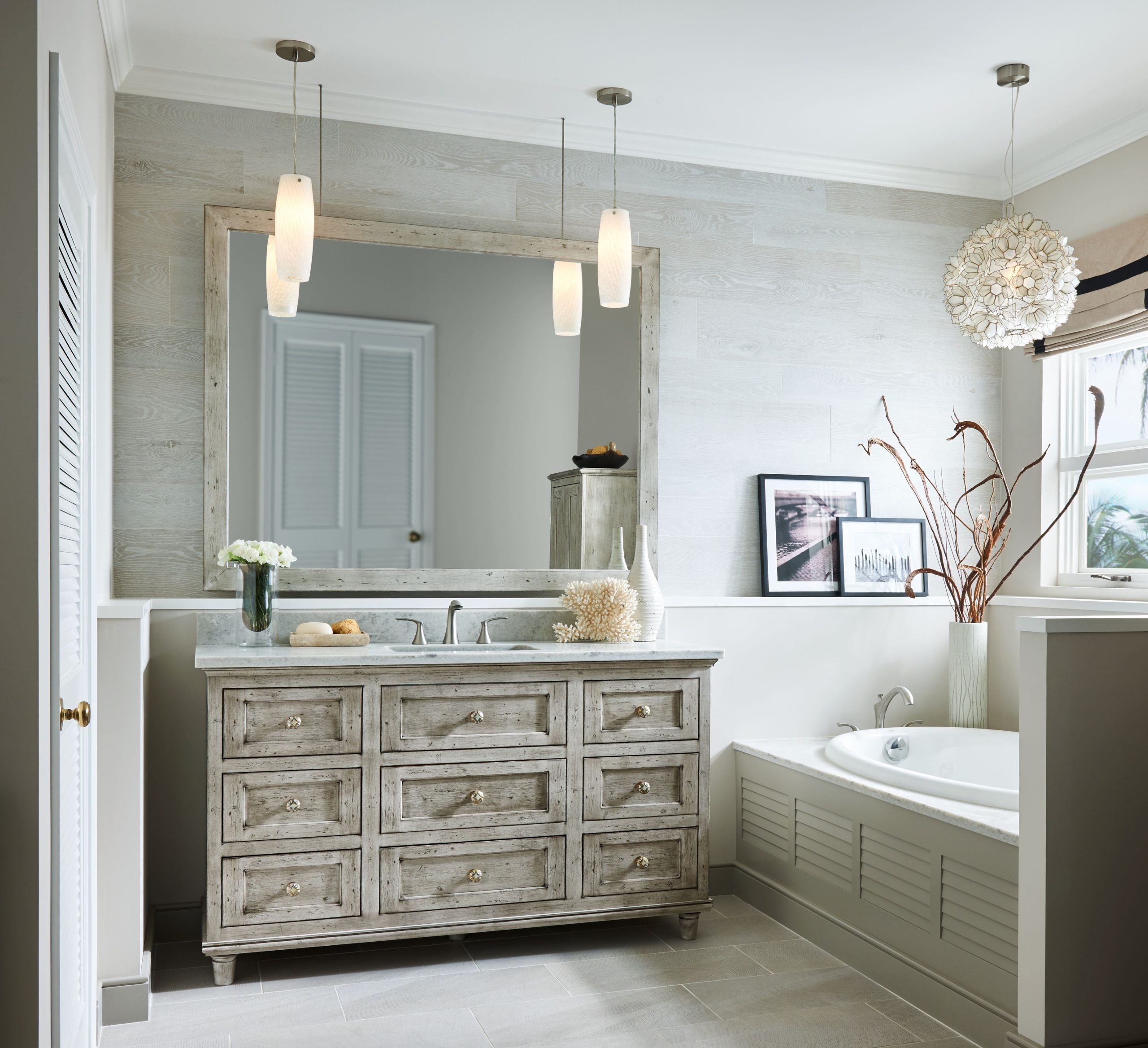
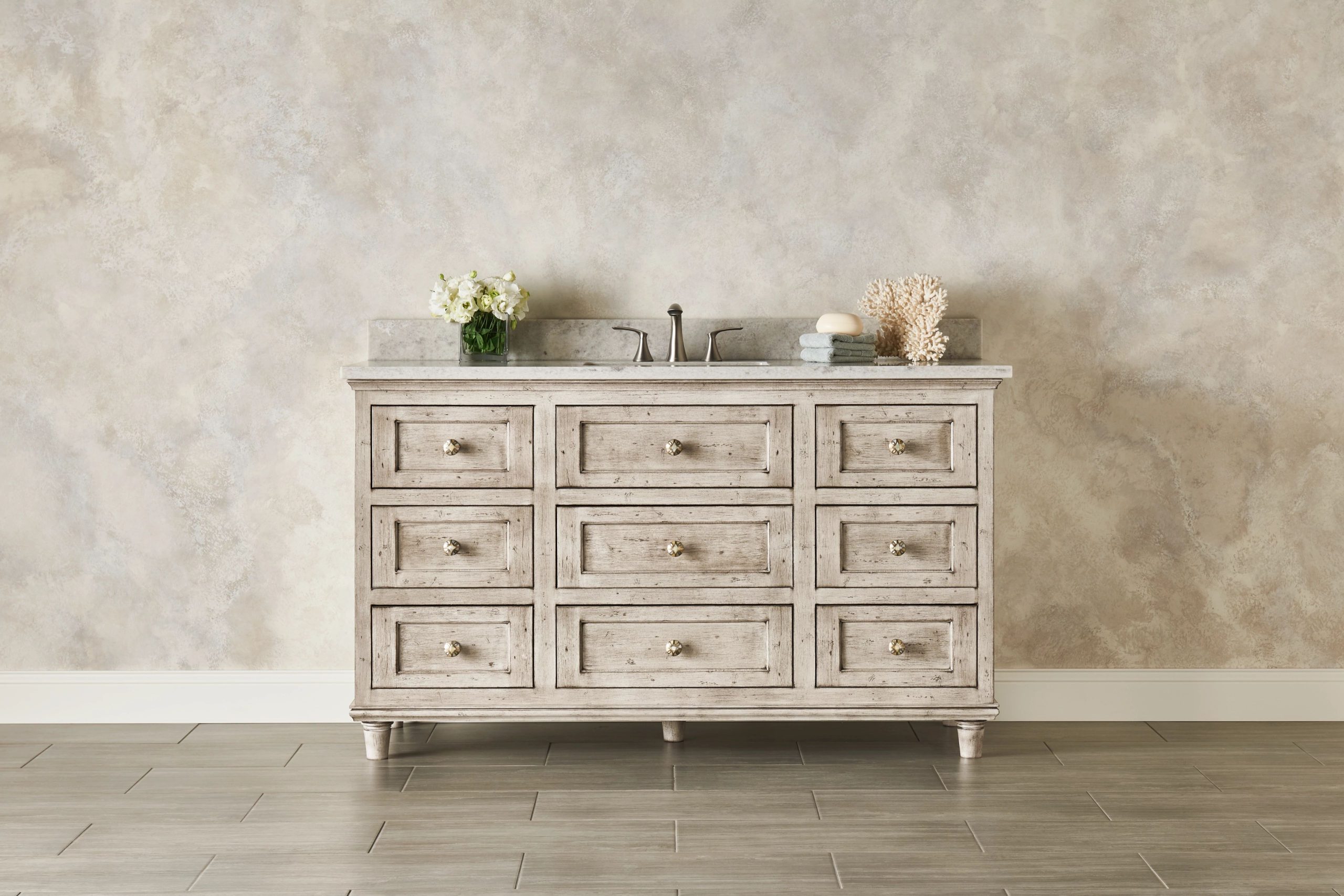
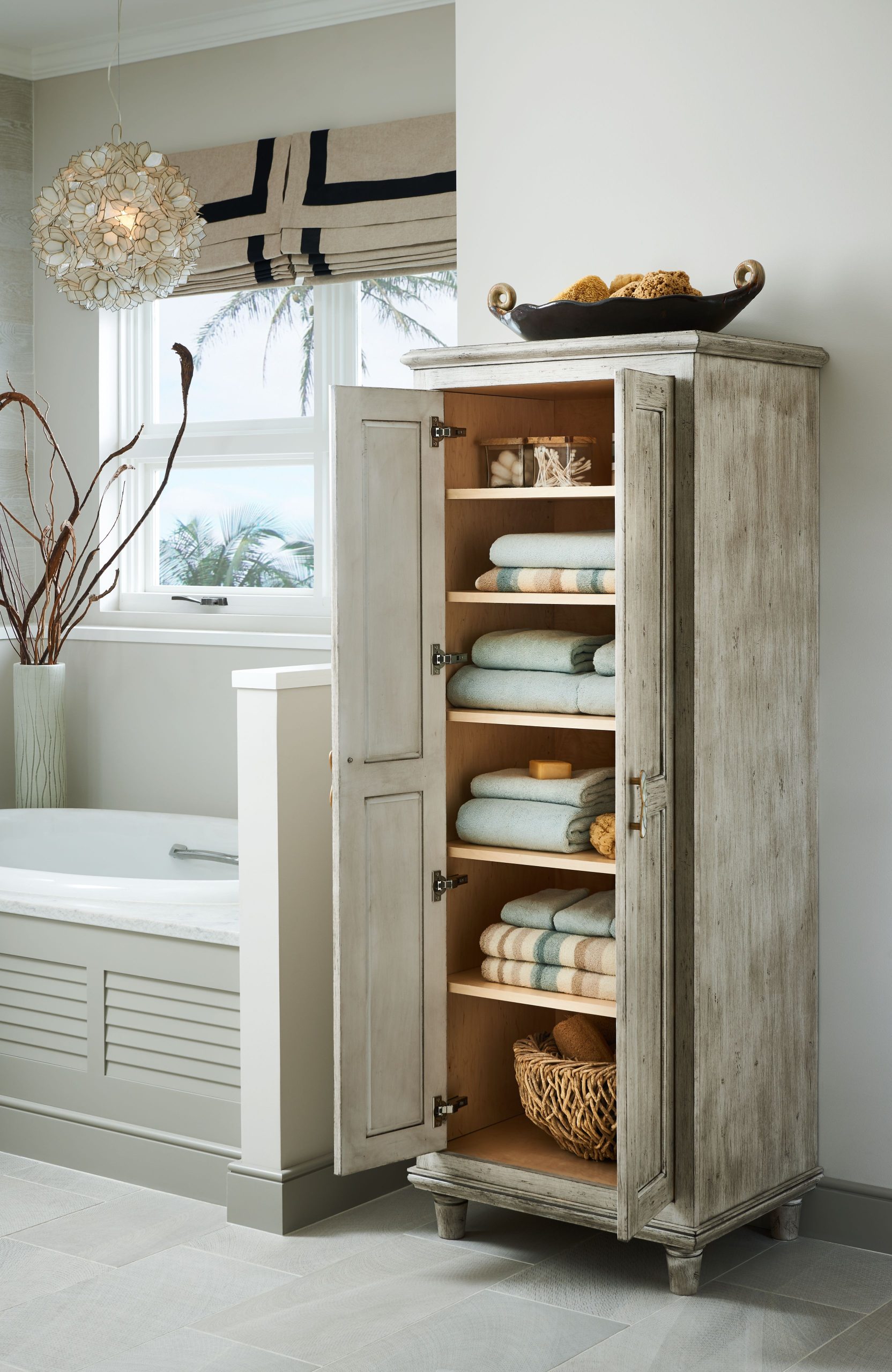
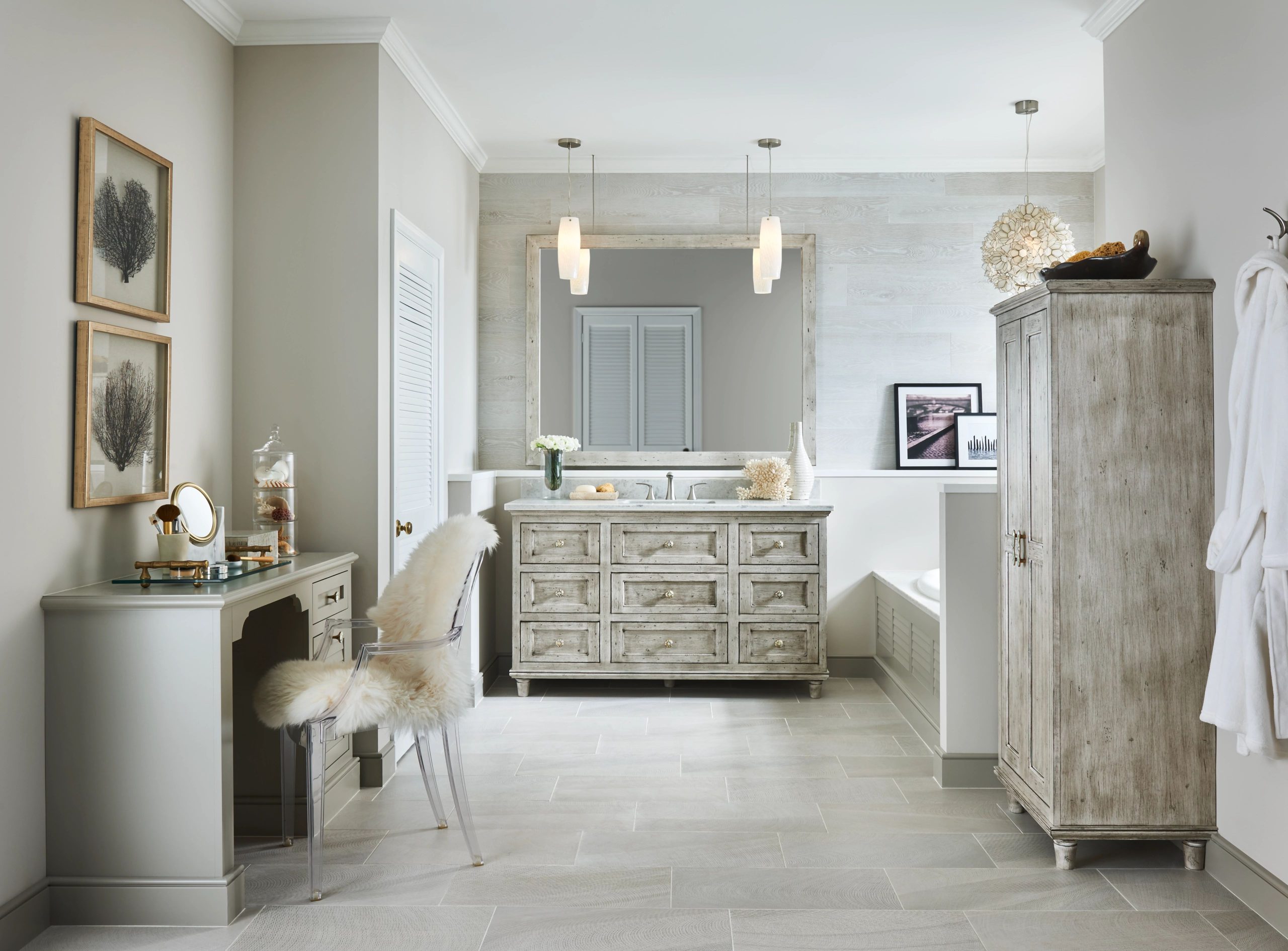
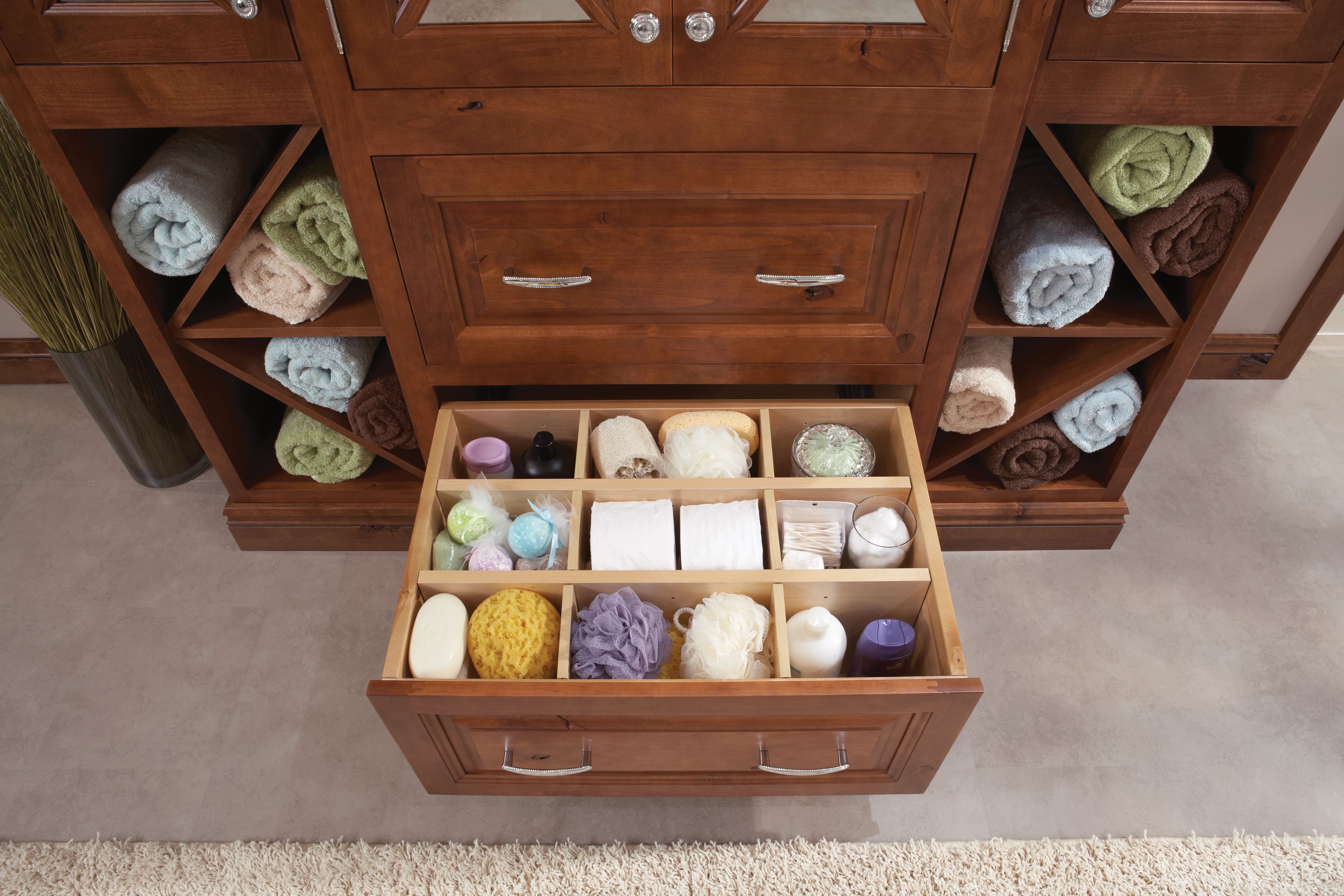
A bathroom vanity is only the beginning. Built-in cabinetry can add storage for towels, toiletries, hair tools, cleaning supplies and other necessities while helping keep countertops clear.
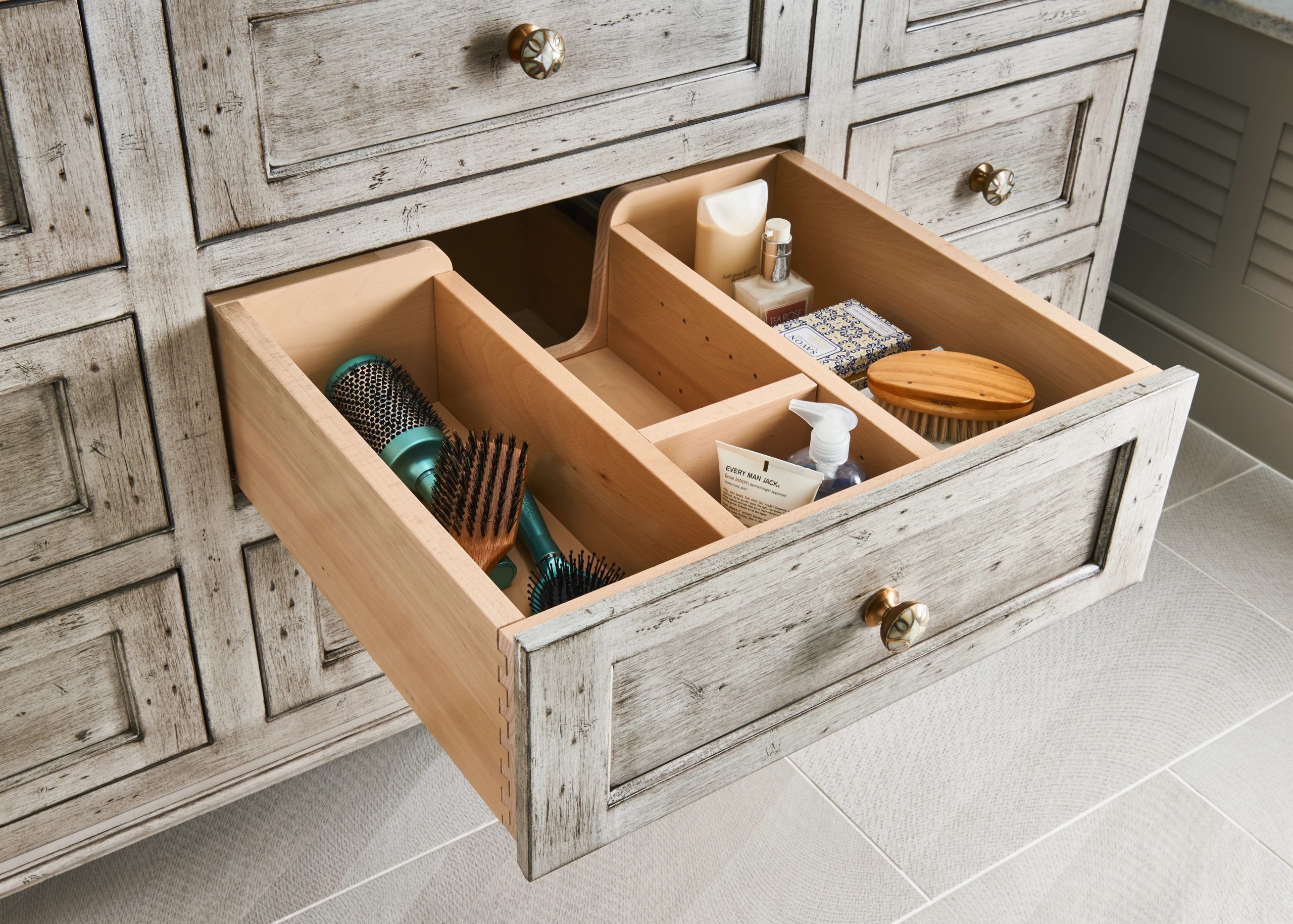
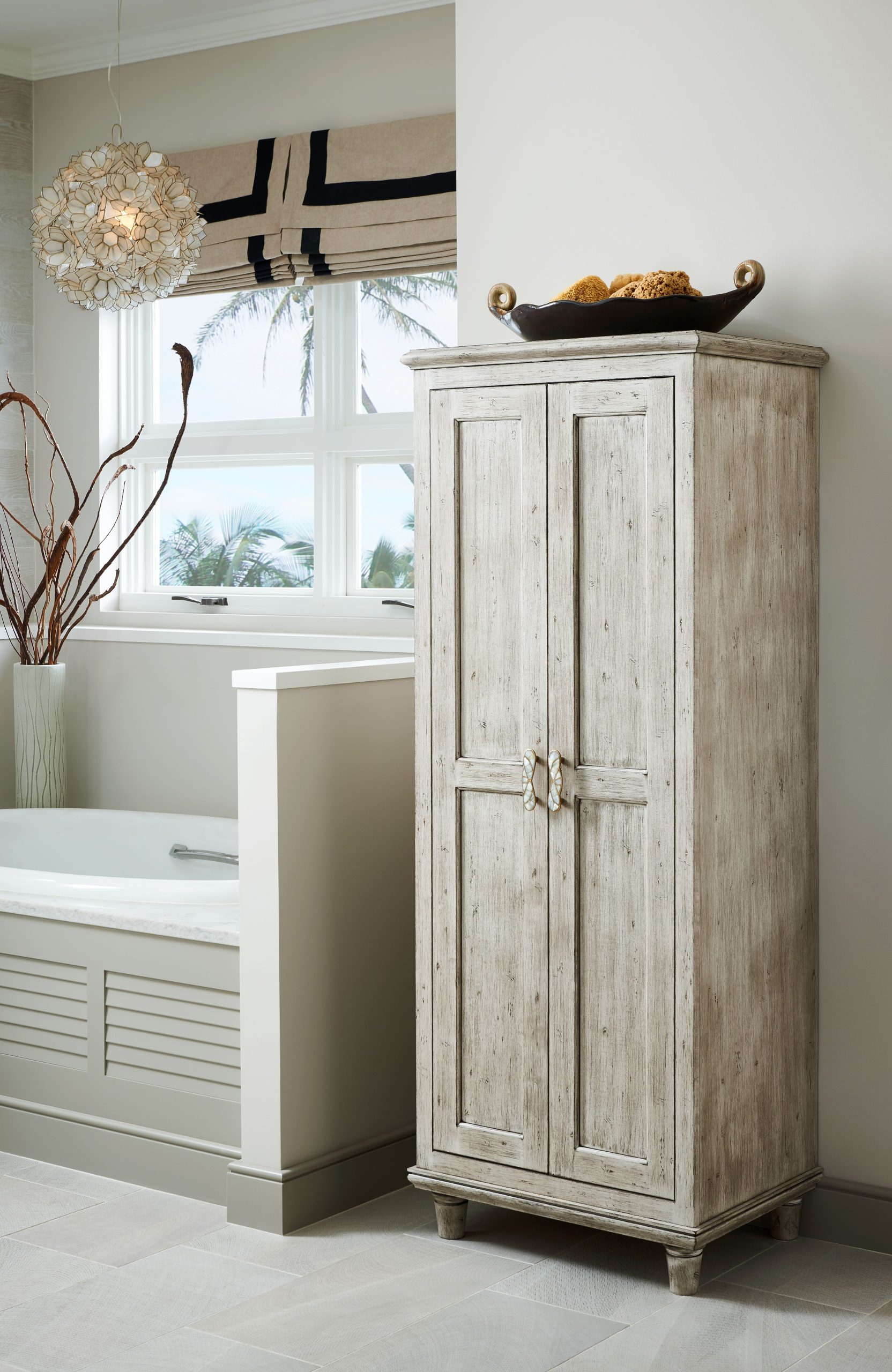
Depending on the room’s size and layout, consider a linen tower, recessed cabinet, drawer-based vanity or wall cabinet above the toilet. Divided drawers can keep small items organized, while deeper cabinets can accommodate bulky towels and backup supplies.
Thoughtful bathroom cabinet design also accounts for plumbing, door clearance and how multiple people may use the space. The goal is a bathroom that looks polished while making daily routines more convenient.
Home Office Cabinets That Support Productivity
Whether you work remotely full time or simply need a place to manage household paperwork, the right storage can make a home office feel calmer and more productive.
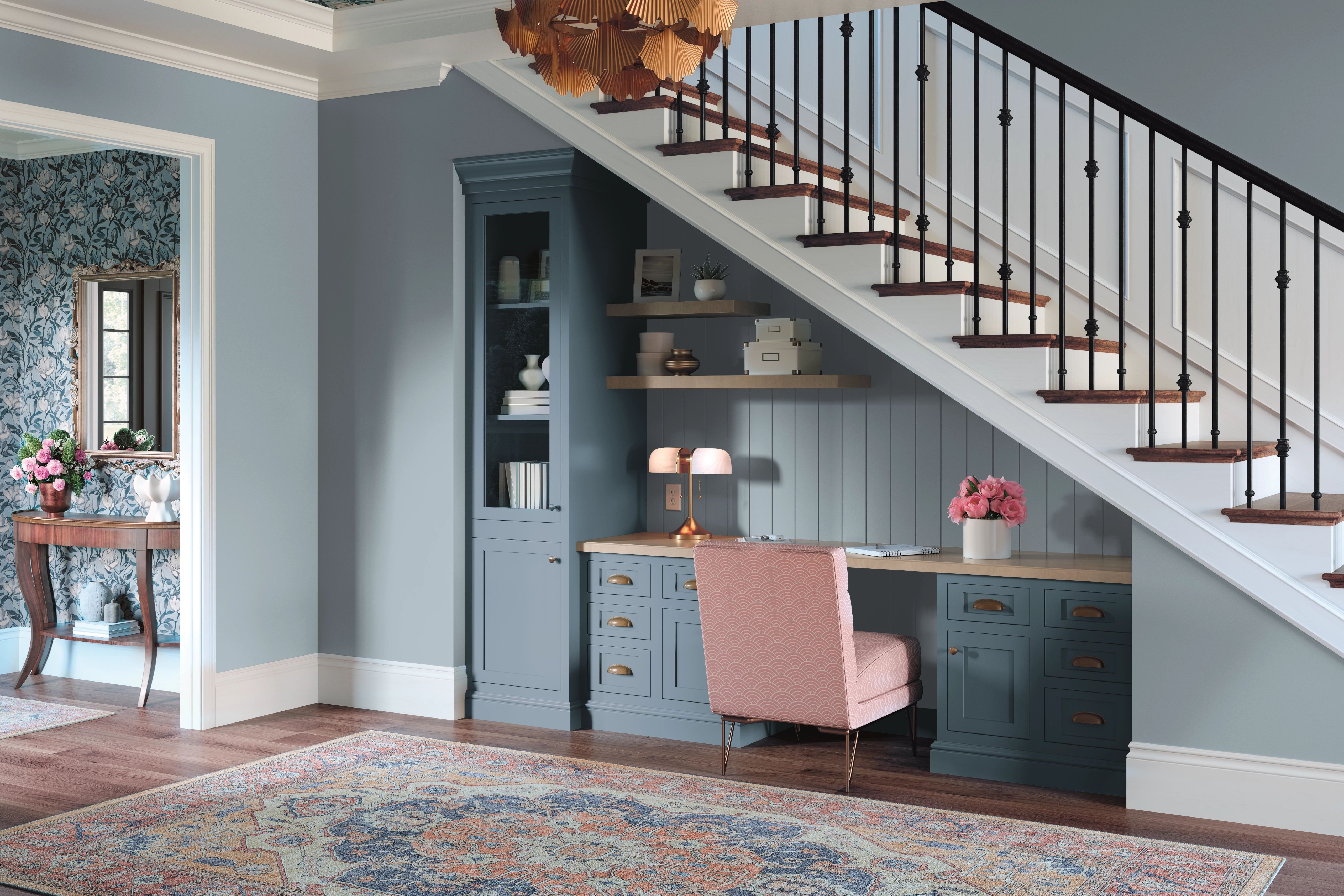
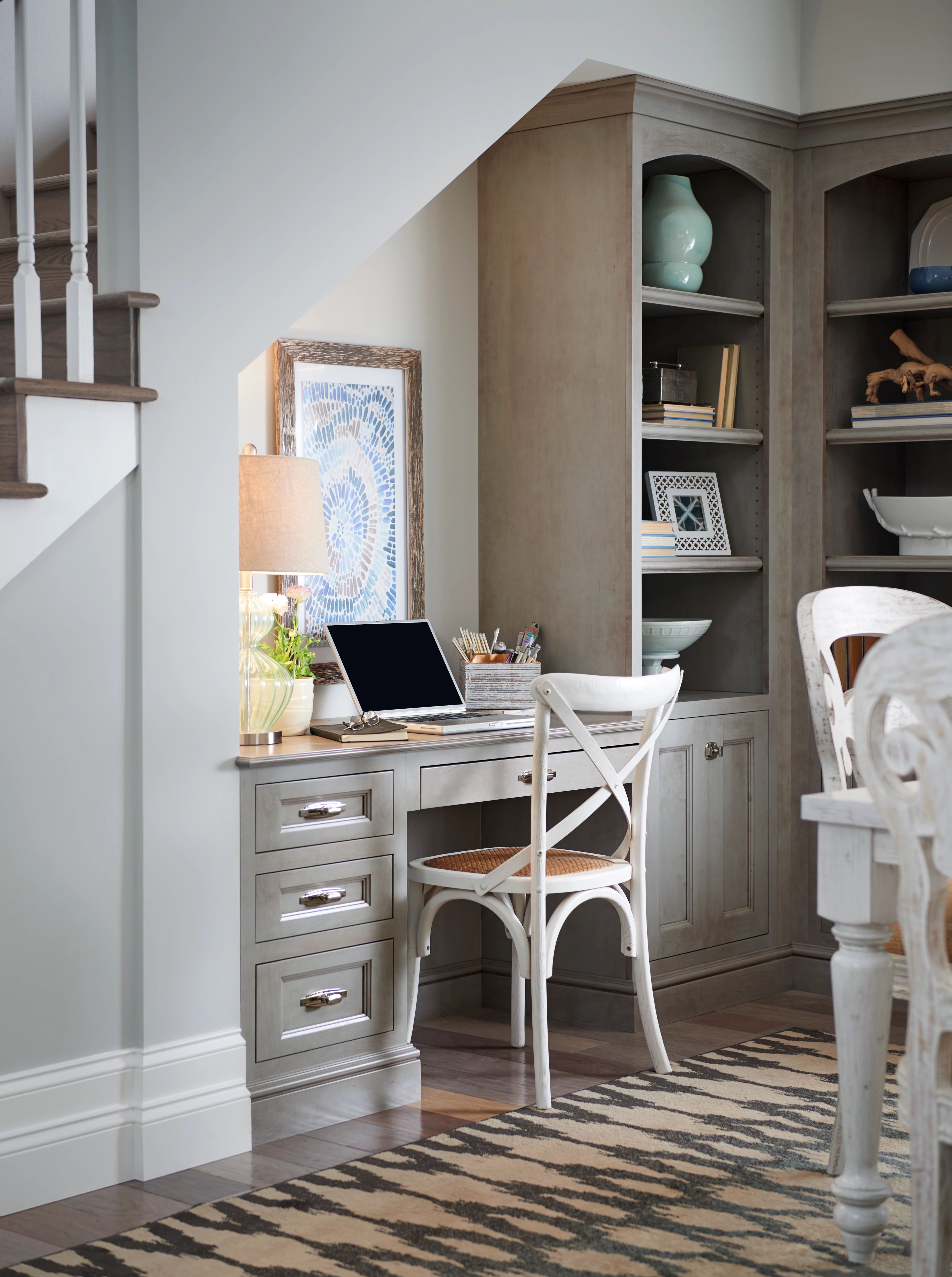
Built-in base cabinets can hold files, office supplies and equipment, while wall cabinets and bookshelves make use of vertical space. Closed storage keeps printers, cords and less-attractive supplies out of sight, and open shelving creates room for books, awards, photos or décor.
A custom office layout can also incorporate a desktop, charging area and task-specific storage, creating a workspace that fits the room instead of forcing the room to fit standard office furniture.
Beverage Stations and Entertainment Areas
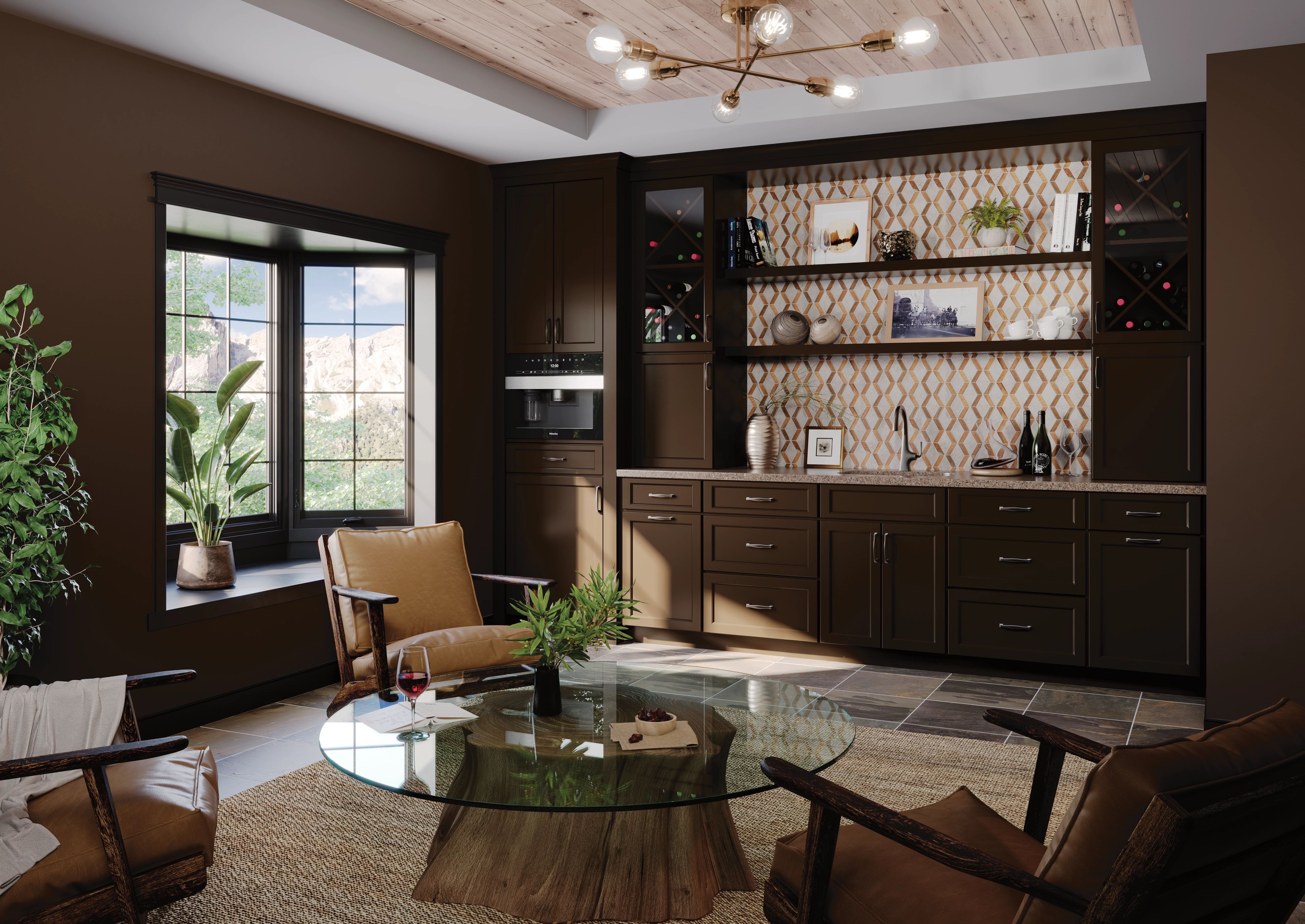
Cabinetry can turn an underused wall or corner into a coffee bar, beverage station or entertaining hub. Base cabinets provide storage for drinkware and serving pieces, while upper cabinets or floating shelves keep favorite items accessible.
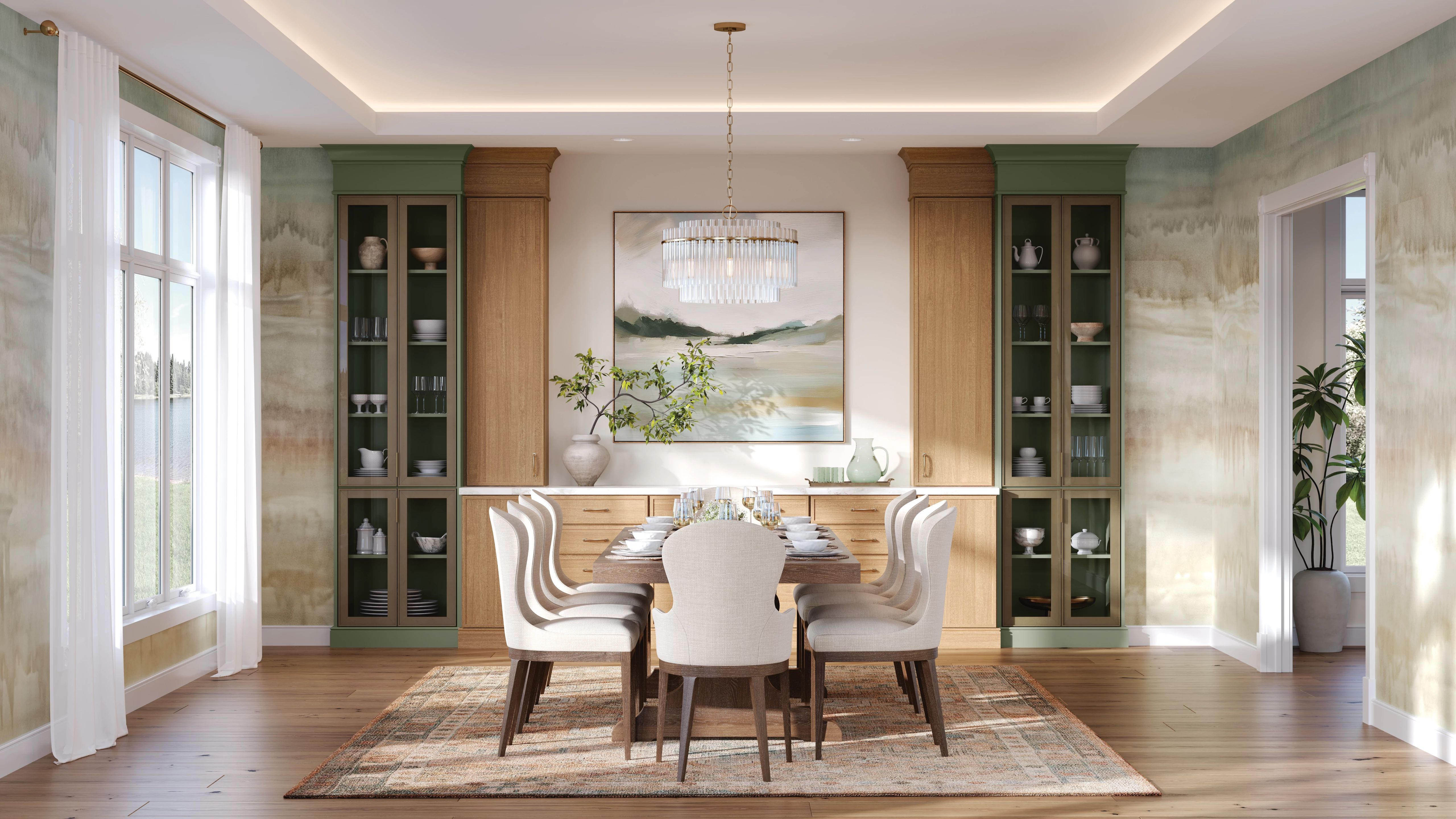
In a family room or basement, cabinets can frame a television, conceal electronics and organize games, blankets and media accessories. A thoughtful mix of drawers, doors and open shelves helps the space feel finished without sacrificing function.
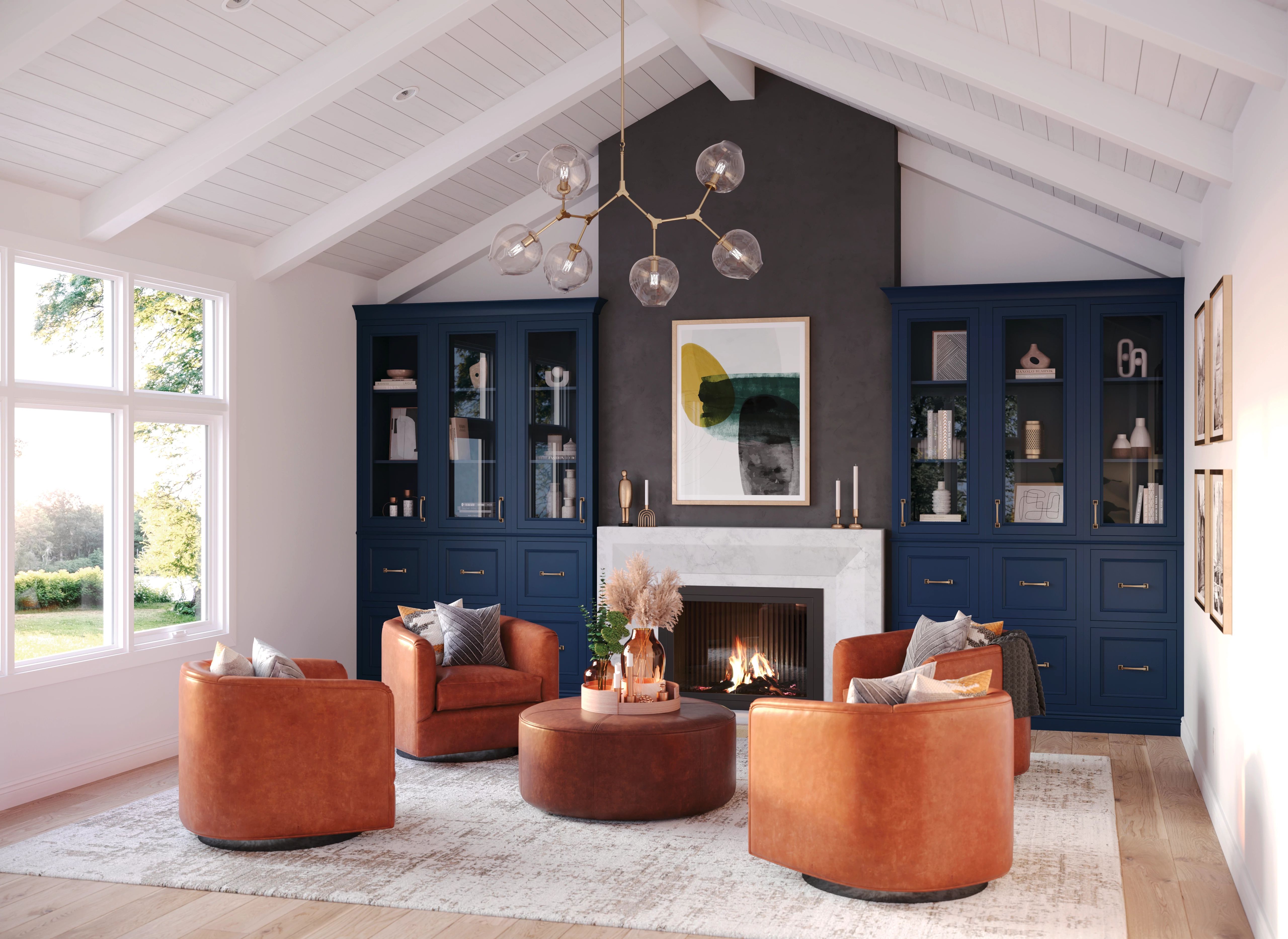
Craft Rooms, Closets and Other Bonus Spaces
Cabinet storage ideas can be adapted to almost any hobby, routine or overlooked area of the home. Consider cabinetry for:
- Craft rooms with drawers for tools, paper, fabric and supplies
- Walk-in closets with built-in drawers, shelves and accessory storage
- Entryways that need a compact landing zone
- Playrooms with easy-to-access storage for toys and games
- Home gyms with space for towels, equipment and cleaning supplies
- Pet-care stations for food, leashes, grooming tools and other essentials
- Hallways or alcoves that could become useful storage instead of unused space
The possibilities extend far beyond traditional kitchen cabinets. The key is identifying what you need to store and designing the space around those needs.
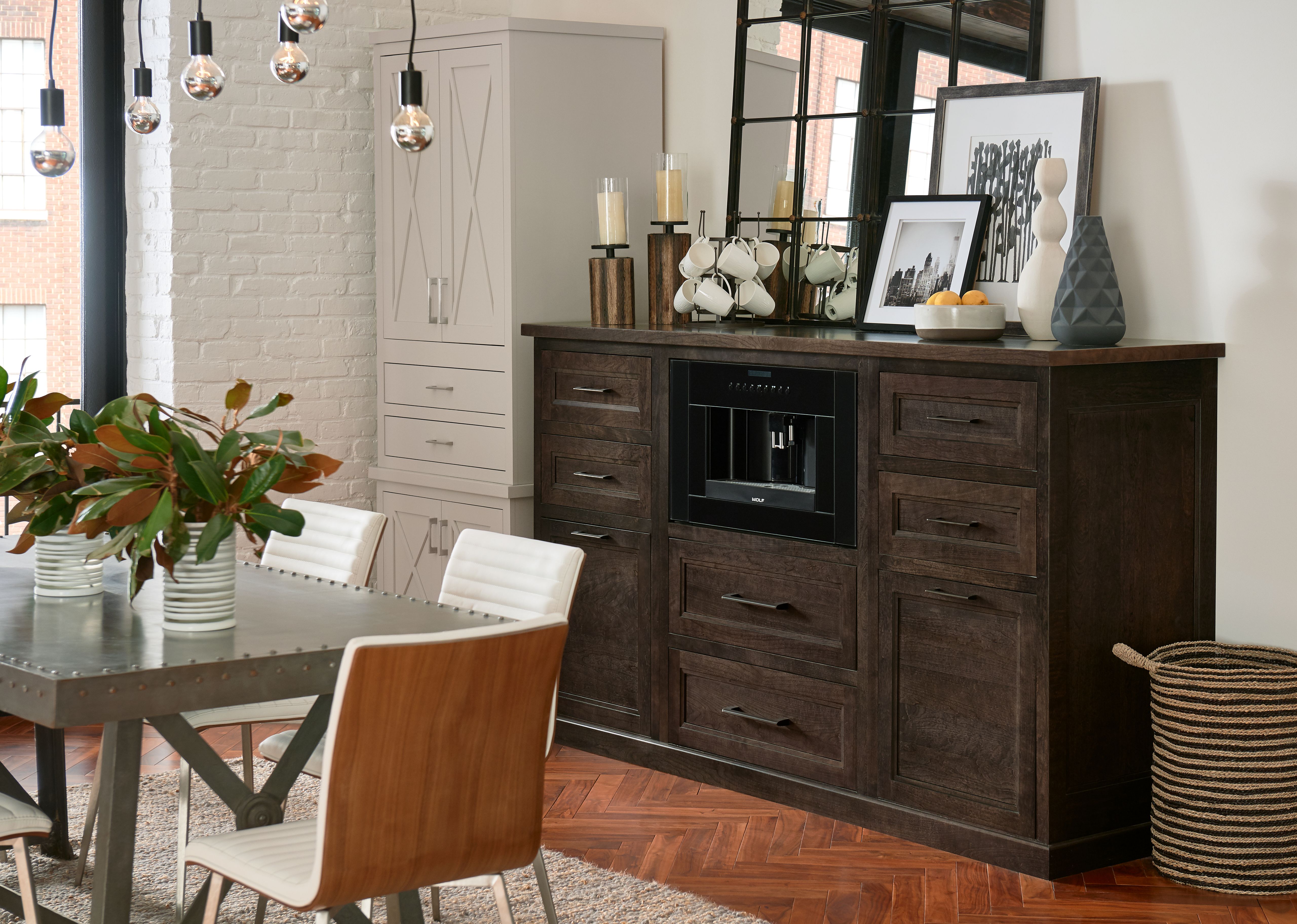
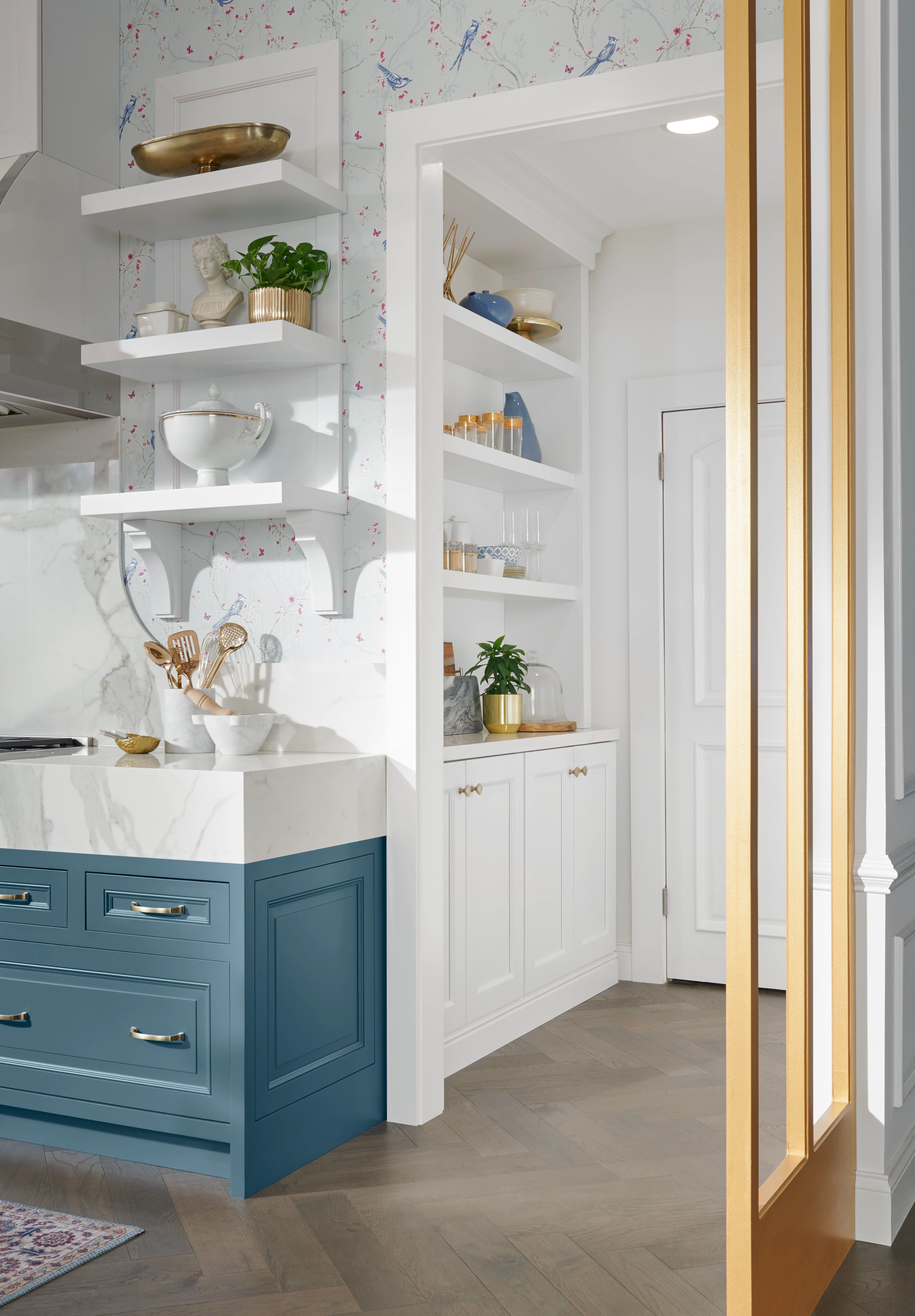
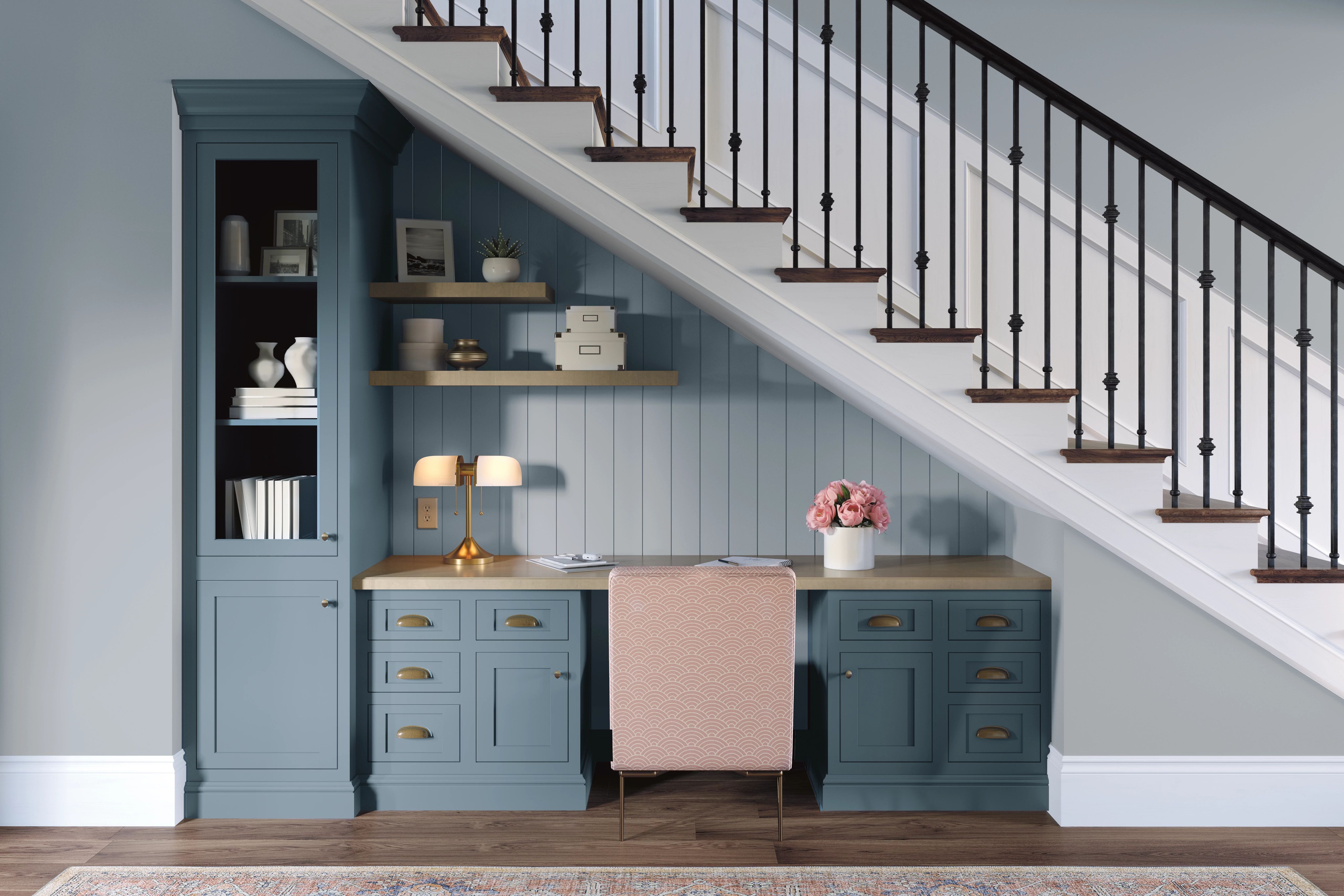
Small Cabinet Accessories Can Make a Big Difference
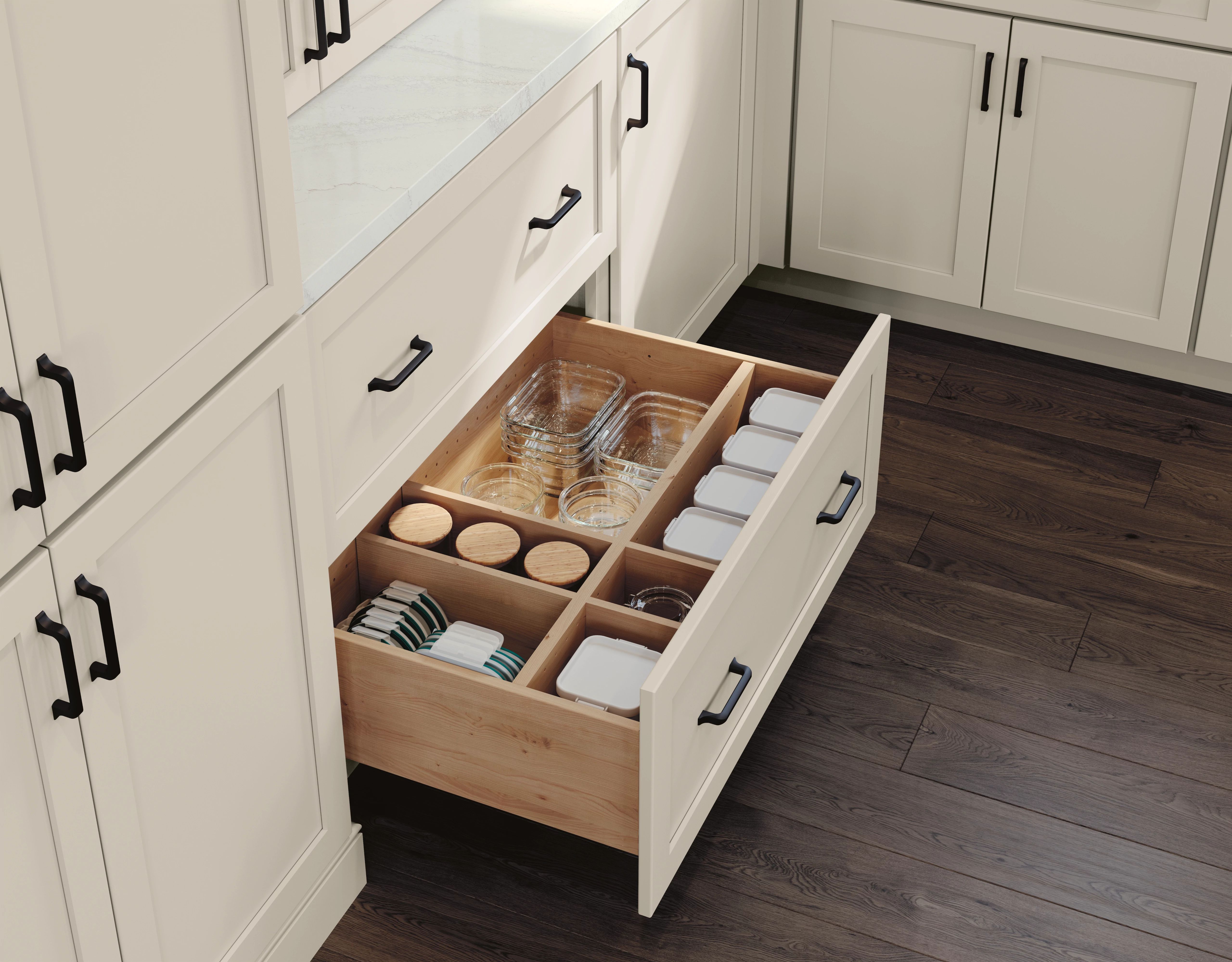
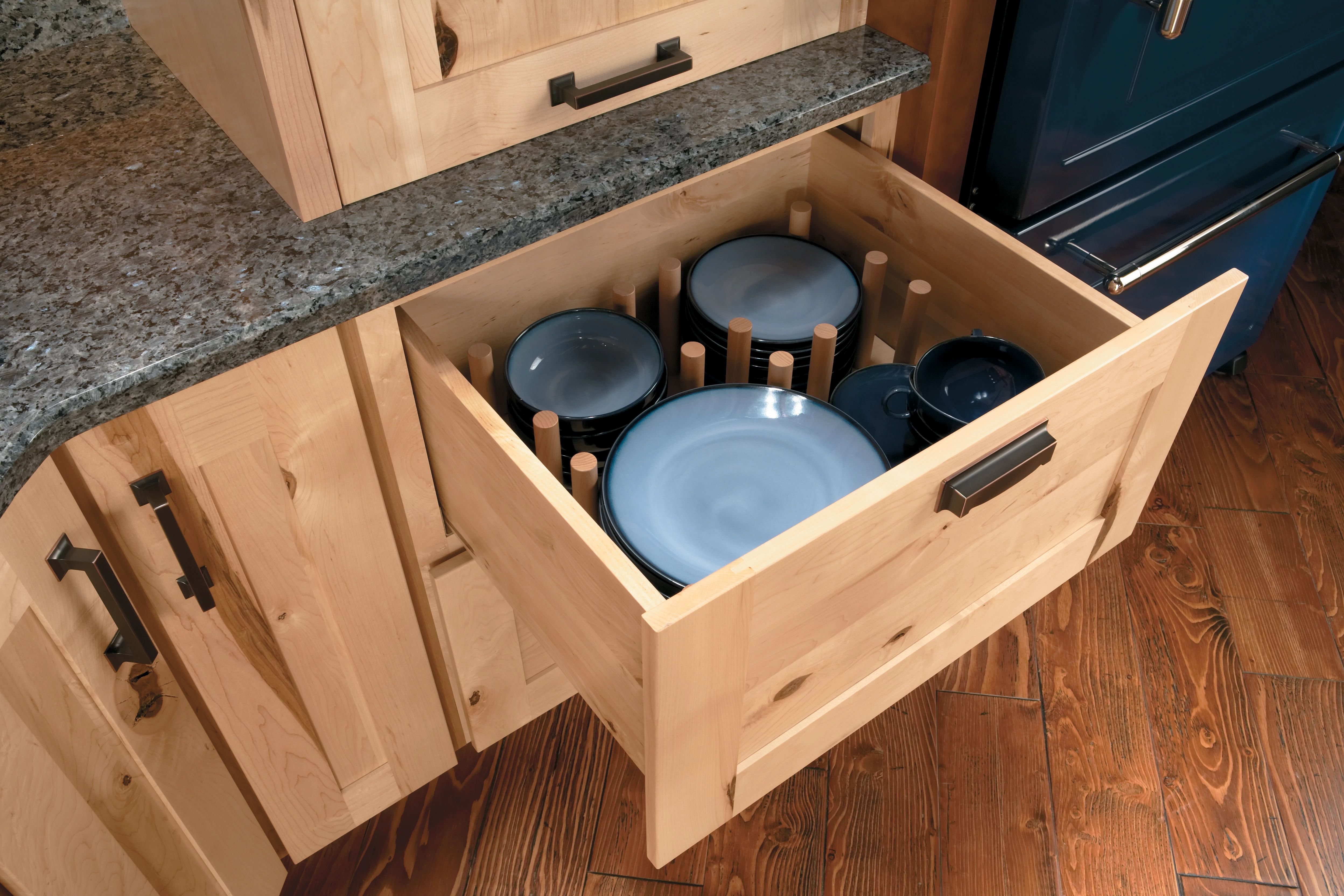
Successful cabinet design is not only about where the cabinets go. Interior organizers and accessories can make storage easier to access and more efficient.
For inspiration, explore Medallion Cabinetry’s baking and cooking storage solutions, which include ideas such as tray dividers, tiered storage, drawer organizers, appliance garages and roll-out trays. Many of these organization concepts can inspire solutions beyond the kitchen, from craft-supply storage to laundry-room organization.
You can also browse Gallery by Elevations storage and accessories for options such as deep-drawer organizers, charging drawers, corner storage, mixer shelves, pantry organizers and other space-saving features.
A Gilcrest/Jewett cabinet designer can help you explore which products and organizational features fit your room, priorities and budget. Product selection and availability may vary by location.
How to Plan Cabinets for Any Room
Before selecting door styles or finishes, think about how you want the room to function. Start by asking:
- What items need a designated home?
- Which items do you use every day, and which can be stored higher or farther away?
- Do you prefer open shelves, closed cabinets or a combination of both?
- Would drawers, roll-outs, dividers or other accessories improve access?
- Are electrical outlets, plumbing, lighting or appliances part of the plan?
- Should the cabinetry coordinate with nearby rooms?
- How might your storage needs change over time?
Measurements and inspiration photos are helpful, but you do not need to have every detail figured out before meeting with a designer. A professional can help turn your wish list into a practical layout.
Start With a Free Gilcrest/Jewett Cabinet Consultation
Gilcrest/Jewett offers cabinet design services to help homeowners, remodelers and builders plan beautiful, functional spaces. Our team can assist with space planning, layout, material selection, product selection and tailored storage solutions. Gilcrest/Jewett also offers custom and semi-custom cabinetry options from leading brands.
Whether you are updating a laundry room, organizing a mudroom, creating a home office or planning cabinetry throughout a new home, our designers can help you make the most of your space.
Schedule a free cabinet design consultation with Gilcrest/Jewett, or explore our cabinetry and countertop options to begin gathering ideas.
Think beyond the kitchen. With thoughtful cabinet design, almost any room can become more organized, functional and uniquely yours.
Frequently Asked Questions About Multipurpose Cabinetry
Yes. Cabinetry can be configured for laundry rooms, mudrooms, bathrooms, home offices, entertainment areas, closets and many other spaces. The layout, materials and storage features should be selected for the room’s specific use and conditions.
Rooms that handle many small items or daily transitions often benefit the most. Laundry rooms, mudrooms, bathrooms and home offices are popular choices, but cabinetry can also improve craft rooms, beverage stations, playrooms, closets and home gyms.
Bring approximate room measurements, photos of the existing space, inspiration images and a list of what you want to store. It is also helpful to share your preferred style, project timeline and budget. Your designer can help guide the next steps.
Yes. Gilcrest/Jewett offers free consultations and cabinet design assistance to help you explore layouts, products, finishes and storage solutions for your project. Contact the team to get started.